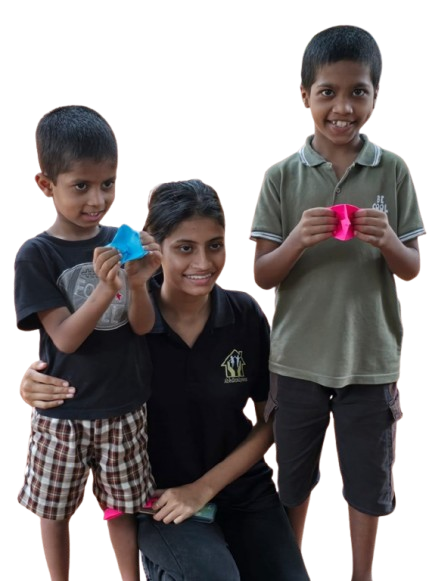
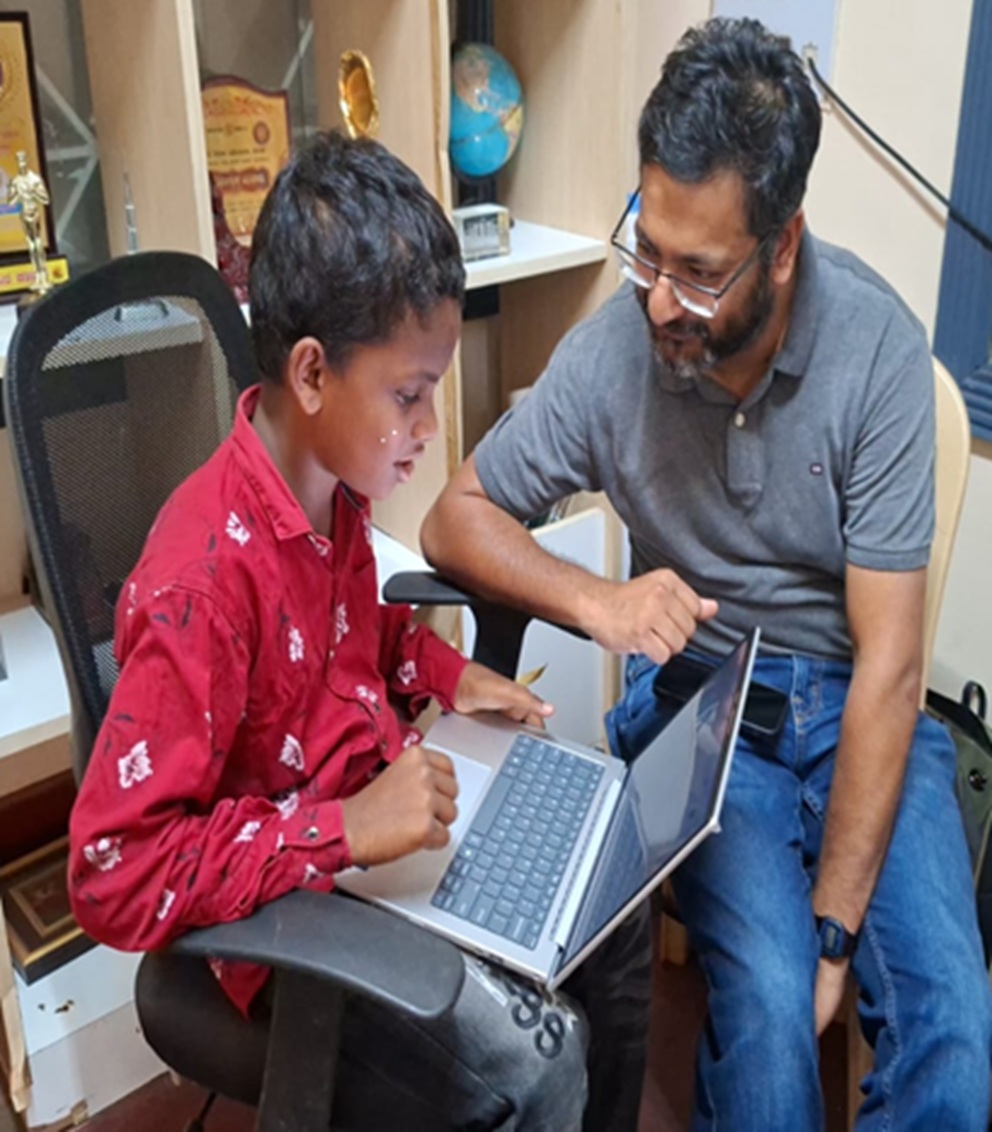
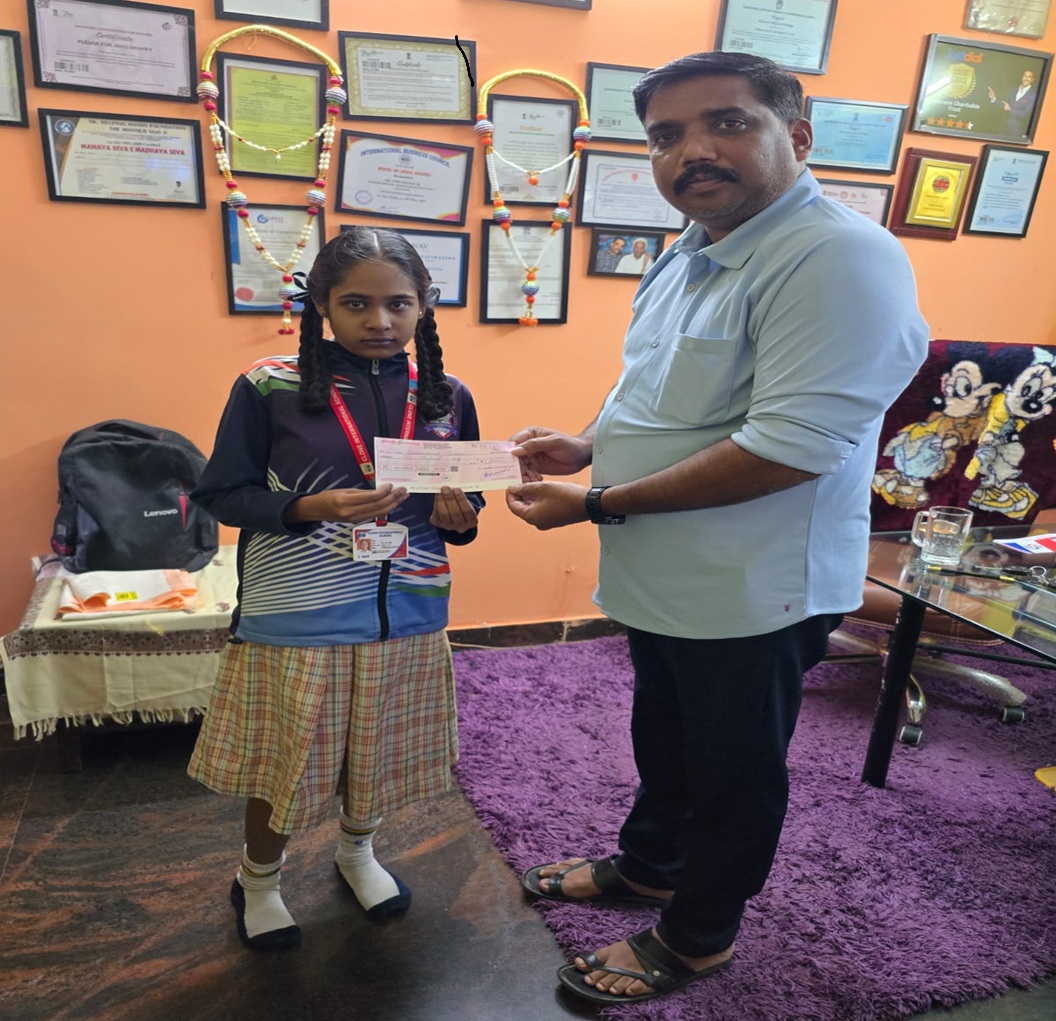
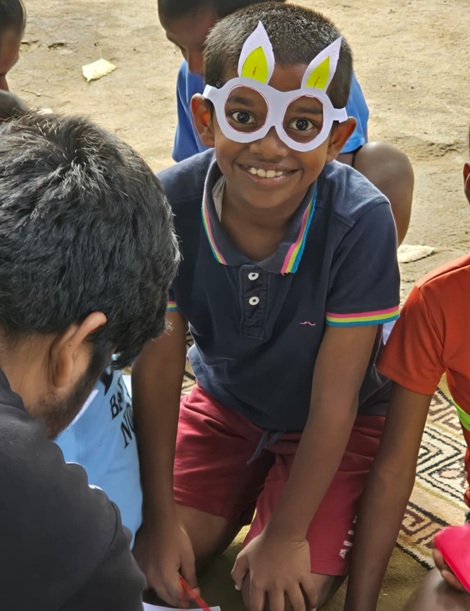
At Adarane, we believe every child deserves love, care, and a chance at a better future.
We run a Children’s Home in Bangalore, providing shelter, food, education, and protection to children from extremely vulnerable backgrounds—including children whose parents are unable to care for them.
Among them are children whose parents are HIV positive, often facing stigma, neglect, and lack of support. Here, they are given not just care—but a new beginning filled with dignity and hope.


Your support can change a child’s life forever.
We currently care for 25 children from underprivileged families. Among them, four children have parents who are HIV-positive. Some of the children have been rescued from unsafe environments.
Many children who arrive at our home are undernourished and have poor hygiene practices. We therefore require regular health check-ups and counselling sessions focused on health, nutrition, and hygiene.
Most of the children attending our 46 free coaching centres come from rural backgrounds. Many of them are observed to be undernourished and not in good health. Due to financial constraints, families are often unable to afford clinical care and rely on local remedies. Even these treatments are usually sought only when the child’s condition becomes critical, as they still involve expenses.
To address this concern, we propose conducting quarterly general health check-ups for all children. These check-ups will help us monitor their overall well-being and identify health issues at an early stage. Additionally, they will provide an opportunity to counsel parents on proper nutrition, hygiene, and preventive healthcare practices.
The beneficiaries of this project are pregnant women from rural areas living in conditions of acute poverty. Due to a lack of awareness and financial limitations, both expectant mothers and newborn children are often neglected, which can lead to serious health risks and even mortality.
Proper nutrition, access to essential medicines, and a balanced diet are critical during pregnancy and early childhood. However, limited knowledge and misconceptions—especially around vaccinations—result in many mothers and children missing vital immunizations. In several cases, vaccinations are avoided due to deep-rooted myths and beliefs.
To address these challenges, we propose organizing dedicated medical camps. These camps will focus on providing essential healthcare services, promoting safe maternal practices, ensuring timely vaccinations, and guiding mothers on nutrition and newborn care. They will also serve as a platform to raise awareness and build trust within the community.
The beneficiaries of this program are members of the Hakki Pikki tribe. They primarily depend on traditional herbal remedies prepared by their community healers for their healthcare needs. While these practices are deeply rooted in their culture, there is limited awareness about modern medical care, vaccinations, and the management of pre-existing health conditions.
As a result, many individuals remain undiagnosed or untreated for preventable and manageable illnesses. There is also a significant gap in awareness regarding the importance of immunization and regular health check-ups.
To address these challenges, we propose organizing general medical camps within these communities. These camps will help assess their overall health, identify existing medical conditions, provide basic treatment, and create awareness about vaccinations, hygiene, and preventive healthcare practices.
This initiative focuses on supporting specially-abled individuals and underprivileged elderly people living in rural areas.
We provide wheelchairs and crutches to specially-abled individuals, many of whom are the primary breadwinners of their families. By improving their mobility, we help them regain independence, access job opportunities, and support their households with dignity. This has led to a direct upliftment of several families from poverty.
At the same time, we extend our support to abandoned and economically vulnerable elderly individuals who survive on odd jobs for their daily needs. Many of them suffer from untreated pre-existing medical conditions due to a lack of financial resources and awareness.
To address these challenges, we propose:
These efforts aim to improve mobility, promote early diagnosis, and enhance the overall quality of life for both specially-abled individuals and the elderly.